Freshwater Health
Introduction
Freshwater is central to life in the Ngāi Tahu Takiwā — environmentally, culturally, economically and socially. It connects people, land and ecosystems, shaping both environmental health and cultural identity. The significance of wai is further underscored by the fact that around two-thirds of New Zealand’s surface water (measured by surface area) and more than 70% of its groundwater lie within the Ngāi Tahu Takiwā.
Yet the health of these waterways is increasingly under threat. Decades of over-extraction, irrigation and intensive land use have increased contaminant runoff and reduced flows in many rivers. In turn, water quality has declined, aquatic ecosystems have degraded and, in some catchments, drinking water is no longer safe.
This deterioration challenges New Zealand’s "clean, green" image and has intensified legal, political and cultural debate over how freshwater should be managed. For Ngāi Tahu however, the impacts run deeper than environmental change alone. The degradation of wai undermines the exercise of kaitiakitanga (guardianship), disrupts mahinga kai (customary food gathering) and erodes rangatiratanga (tribal authority) within the takiwā.
Water Quality Decline
Snapshot
- New Zealand has seen a 534% increase in synthetic nitrogen fertiliser applied to agricultural land, from 59,265 tonnes in 1990 to 376,000 tonnes in 2023.
- Since 1990, the total number of dairy cattle in the South Island has increased by 829%.
- The drinking water standards for nitrate-nitrogen (11.3 mg/L) was exceeded at 12.4% of monitored groundwater wells across New Zealand. Concentrations up to 28 mg/L have been recorded.
- Te Waihora/Lake Ellesmere is classified as hypertrophic or of very poor water quality. Consequently, the lake ecology has undergone a shift to a persistent degraded state and there is a high health risk throughout the year from exposure to toxic cyanobacteria.
- For the period 2019 – 2024, two-thirds of all monitored river sites in New Zealand had a heightened Campylobacter infection risk (>3%), indicating they are generally considered unsuitable for swimming.
Over the past three decades, water quality across the Ngāi Tahu Takiwā has deteriorated dramatically. This decline has occurred despite the existence of a legislative framework intended to manage environmental effects. It reflects the cumulative impacts of intensive land use, poor regulation and limited enforcement.
Intensive dairy farming has been one of the most significant contributors. The total number of dairy cattle in the South Island has risen by 829% since 1990. This expansion has resulted in more irrigation, greater fertiliser application and higher volumes of effluent entering waterways.
Elevated nitrate concentrations in groundwater have followed, with consequences for both ecosystem and human health.
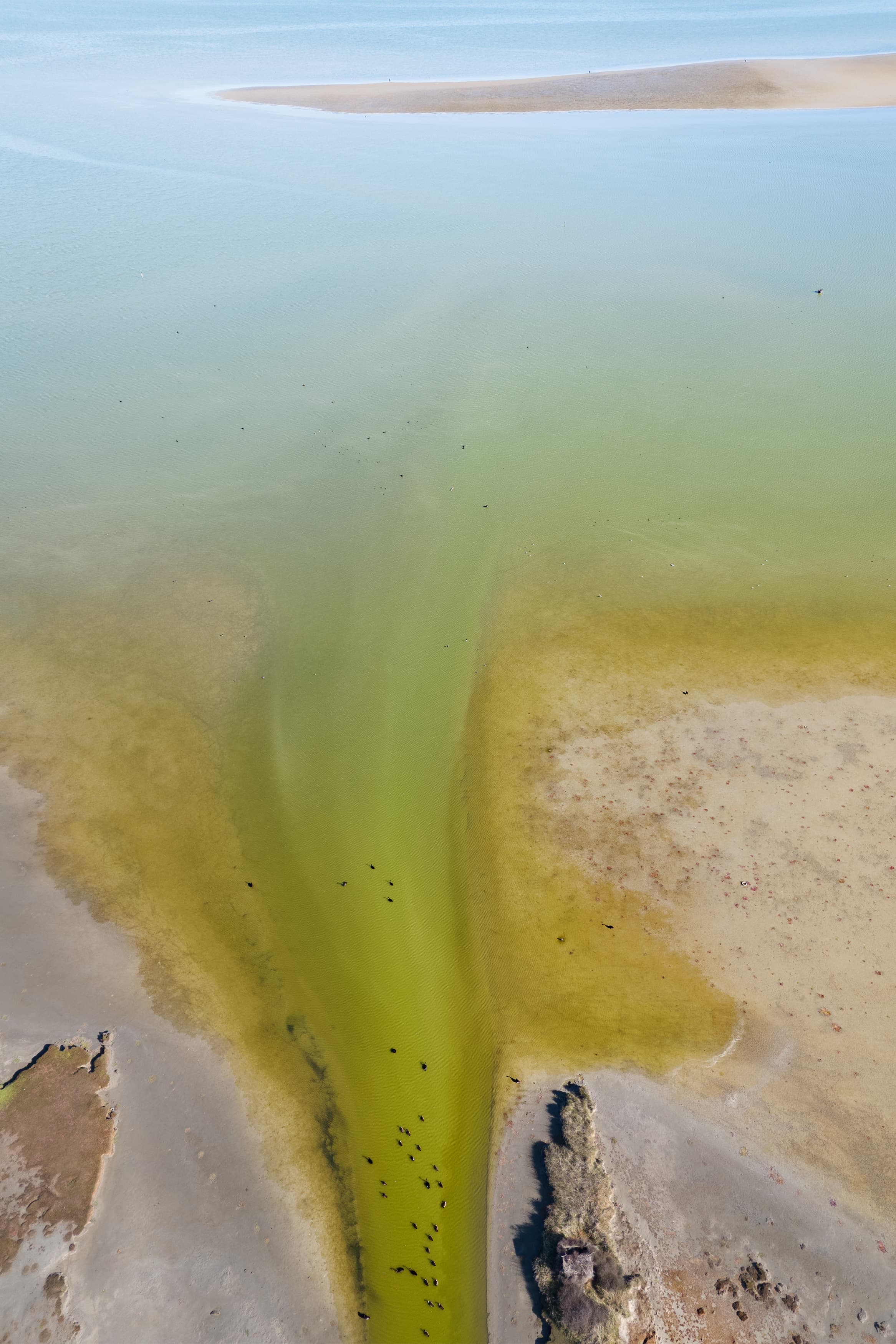
The effects are visible in lakes and rivers throughout the takiwā. An example is Te Waihora / Lake Ellesmere, classified as hypertrophic or of very poor water quality. The lake is in a persistent degraded state, with a high health risk throughout the year from exposure to toxic cyanobacteria.
When freshwater quality deteriorates, the health of aquatic ecosystems declines and the safety of drinking water becomes compromised. For Ngāi Tahu whānau, this degradation also restricts the ability to access and engage with freshwater in ways that uphold tikanga and fulfil kaitiakitanga responsibilities.
Overallocation and Unsustainable Use
Snapshot
- Between 2020 and 2021, 87% of consented water takes across Canterbury were for irrigation and support the growing water demands.
- Groundwater level reductions of up to 17m have occurred in Mid Canterbury.
- Around 84% of all irrigated agricultural land is in the South Island. Notably, the area of irrigated land doubled in Canterbury from 2002 to 2022.Land users across Canterbury abstracted enough water to fill 1.45 million Olympic sized swimming pools in one single year (2020/21), while only using a fifth of what they were consented to take.
Across the Ngāi Tahu Tākiwa, water allocation has become a major source of ecological stress and community contention.
In many catchments, more water has been allocated than rivers or aquifers can sustainably provide, especially during dry periods. This has led to prolonged low flows, reduced sediment transport to the coast and diminished capacity to dilute contaminants. Braided river habitats have been lost, and thermal stress on aquatic species has increased.
The existing allocation model, based on a first-in, first-served approach, has entrenched historic inequities and discouraged efficient or adaptive use. Water is not priced or traded in most regions, offering little incentive to conserve it. Compliance monitoring is often inadequate, and cumulative catchment effects are not always accounted for in consent decisions. Allocation limits are based on historical flow data, which no longer reflect reality as climate change alters rainfall and river regimes.
The combined effect is a system that permits overuse and fails to adapt, threatening both environmental resilience and the sustainability of water resources for future generations.
Ecosystem and Biodiversity Loss
Snapshot
- More than 70% of New Zealand’s native freshwater fish species were threatened with or at risk of extinction in 2017.
- Longfin eel are currently declining due to continuing habitat loss. Hydropower development alone has impeded the access to 44% of their natural habitat and can cause 100% mortality during emigration.
- Most of New Zealand’s historic wetland areas have been lost, with estimates that only around 10% remains.
- Only around 12% of the New Zealand river network is considered freely accessible to migratory fishes.
The decline of freshwater quality and quantity has severely affected the ecosystems and biodiversity that depend on it. Because freshwater systems are interconnected, pressures in one part of a catchment cascade through the entire system.
River channelisation, dams and other engineering works have altered natural flow regimes, eroded habitats for native species such as kanakana (lamprey), tuna (longfin eel) and īnanga (whitebait), and blocked pathways for migrating fish species.
Invasive species such as trout and lagarosiphon (an invasive weed) have disrupted food webs and displaced native fish, while the loss of riparian vegetation has removed shade, stability and biodiversity corridors. Climate change adds further stress, altering rainfall patterns, prolonging droughts and increasing water temperatures.
The consequences are stark: an alarming number of New Zealand’s native freshwater fish species are now classed as at risk or threatened with extinction.