Research
Introduction
Te Kura Taka Pini (TKTP) is participating in several joint research projects to help deliver solutions to freshwater challenges across the Ngāi Tahu Takiwā, as well as conducting internal, independent research. These projects are multidisciplinary, bringing together mātauranga Māori, science and engineering expertise to deepen understanding of the state of wai and improve outcomes for Ngāi Tahu communities.
Ngāi Tahu Drinking Water Surveillance Programme
Through this initiative, rūnanga-appointed Māngai Wai Māori (water champions) are trained to sample and monitor drinking water, helping to ensure local supplies are safe, resilient and well-managed. Funded by the Te Niwha Infectious Disease Research Platform and led by TKTP, this programme builds capability and capacity at marae while improving understanding of drinking water quality across Ngāi Tahu marae
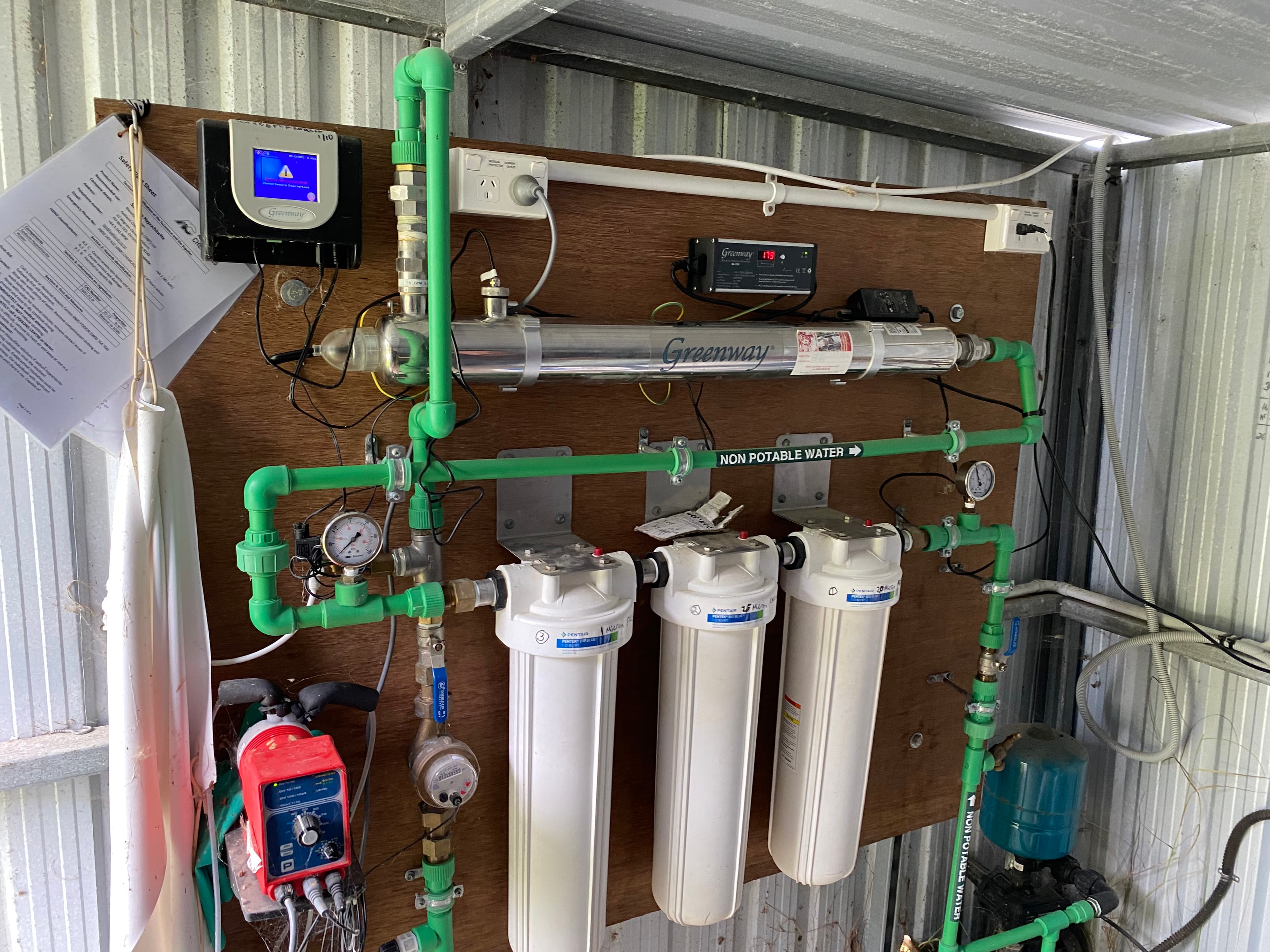
Complementing this work, TKTP has completed a series of water services engineering assessments at some Ngāi Tahu marae, focusing on sites with unreticulated supplies or known water quality issues. These assessments, undertaken by an engineering consultancy using Te Niwha funding, identified a range of challenges — from minor system upgrades and capacity constraints to inadequate rainwater treatment and, in some cases, the need for full wastewater system replacements.
TKTP is now working with Papatipu Rūnanga (tribal councils) to act on these findings, supporting them to implement practical engineering solutions, meet Taumata Arowai (Water Services Authority) drinking water and wastewater standards and engage with councils under Local Water Done Well. Together, these efforts provide a clear picture of water infrastructure across Ngāi Tahu kāinga and strengthen the capability, data and partnerships needed to ensure every marae has access to safe, reliable, and sustainable water services.
More information
Pūkeka Wai: Water Knowledge for Building Resilience
At Ōtākou Marae, sampling of drinking water showed nitrate levels above the maximum allowable value for safe drinking water. In response, a treatment system was installed — but questions remained about the source of contamination in the ground water source.
TKTP and Te Rūnanga o Ōtākou launched the Pūkeka Wai Project: Water Knowledge for Building Resilience in Vulnerable Communities. The study combined scientific research, groundwater modelling, mātauranga Māori and community aspirations to understand the source of the contamination and identify mitigation measures.
The study identified that the shallow aquifer system from which the drinking water was sourced made the area especially vulnerable to contamination from local farming activities, such as fertiliser use and livestock. The project recommended a range of practical actions, including:
- Reducing nitrogen inputs
- Protecting spring zones
- Exploring deeper bores for safer drinking water
This work is now helping the Ōtākou community make informed decisions about their water — for today and for future generations.
Marae Onsite Wastewater Treatment
The Nature-based Solutions for Marae Onsite Wastewater Treatment: Process Resilience and Cultural Integration of the Wairewa System project is conducted in collaboration between Rupert Craggs from NIWA, Ricardo Bello Mendoza from the University of Canterbury, Wairewa Marae (Ngāi Tahu) and sponsored by TKTP. The project aims to evaluate the wastewater treatment system under construction at Wairewa Marae and use the collected data to optimise the system, where and if needed, and to facilitate the transfer of the technology to other marae.
Data Research
TKTP is exploring ways to better support Ngāi Tahu freshwater understanding and decision-making by making relevant data easier to access and use.
TKTP is investigating how Ngāi Tahu-held data and selected publicly available datasets could be used together in complementary ways. A strong emphasis will be placed on data sovereignty, tikanga Māori, and ensuring that any data shared is appropriate and fit for purpose. TKTP is also exploring how new monitoring technologies help to address gaps in data across the Ngāi Tahu Takiwā, such as real-time sensors and satellite imagery.
TKTP is also exploring how new monitoring technologies help to address gaps in data across the Ngāi Tahu Takiwā, such as real-time sensors and satellite imagery.
Nitrate Testing
The Nitrate Testing Project, led by TKTP, responds to growing concern over rising nitrate levels in freshwater across the Ngāi Tahu Takiwā. Elevated nitrates, largely from synthetic fertilisers and intensive farming, are contaminating groundwater and drinking water, posing health risks such as blue baby syndrome and potential links to cancer and reproductive issues. TKTP has carried out nitrate testing at marae and hosted community testing events, enabling whānau to check their own water supplies and take action — such as installing nitrate reduction filters or sourcing alternative water. This monitoring empowers rūnanga and communities to protect their health while contributing to wider efforts to identify and address the root causes of nitrate contamination in the environment.
While this monitoring has helped protect whānau and community in the short term, it does not address the root cause of nitrate contamination in the wider environment. This work is ongoing as we continue to explore long-term solutions to nitrate contamination.