Cultural Disconnect and Treaty Breaches
Introduction
For Ngāi Tahu, the degradation of freshwater is not merely an environmental concern. It represents a breach of the Treaty of Waitangi and the Ngāi Tahu Claims Settlement.
The Crown's failure to uphold rangatiratanga (tribal authority) in freshwater management continues to marginalise Ngāi Tahu in critical decision-making processes. Degraded waterways diminish the ability for the tribe to practice mahinga kai (traditional food gathering), undertake kaitiakitanga (guardianship) responsibilities and assert tribal authority.
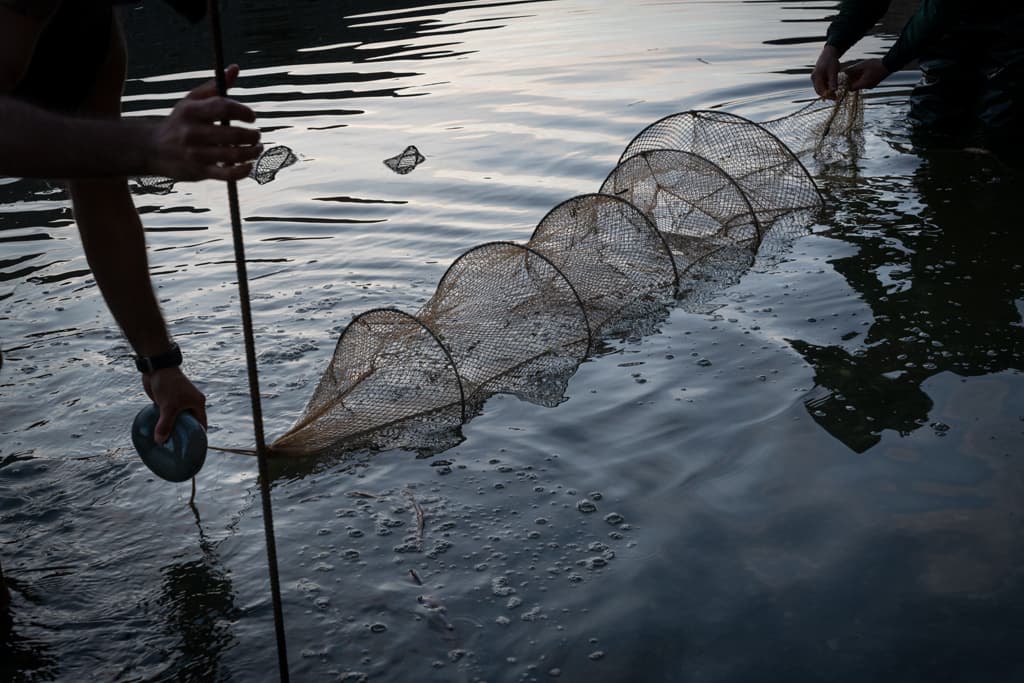
For Ngāi Tahu, mahinga kai in rivers, lakes and wetlands is a critical part of life – not just for nourishment, but as a way for whānau (families) to connect with their whenua (land), and to pass mātauranga (cultural knowledge and practice) on to the next generation, along with tribal history, pūrākau (stories), waiata (songs) and karakia (prayers).
When rivers, lakes, and wetlands are degraded, mahinga kai opportunities are lost. Polluted water, declining species populations and habitat destruction erode the ability of Ngāi Tahu to live as kaitiaki (stewards), harvesters and people of the water. Beyond simply a decline in food resources, it is a loss of connection, language and identity.
Ngāi Tahu Claims Settlement
Ngāi Tahu was one of the first tribes in New Zealand to file a historical claim in the Waitangi Tribunal.
In the mid-1800s, the Crown had purchased over 34 million acres of Ngāi Tahu land (around 80% of the South Island) for a minute sum. Ngāi Tahu were promised reserves, schools, and hospitals, but these promises were unfulfilled – the land reserved for Ngāi Tahu was too small and poor in quality to sustain the people. Deprived of land and resources, Ngāi Tahu people experienced poverty, dislocation, and cultural loss. Despite Ngāi Tahu leaders continuously petitioning the Crown for redress over 140 years, often with strong evidence, these pleas were largely ignored.
In 1986, Ngāi Tahu registered its Waitangi Tribunal Claim (Wai 27). The claim was presented in nine parts, known as the Nine Tall Trees of Ngāi Tahu. Eight trees referred to the land sales; the ninth was mahinga kai, often referred to as the DNA of Ngāi Tahu, an intrinsic part of the tribe’s identity. After several years of extensive hearings across the South Island gathering historical, legal, and oral evidence, in 1991 the Waitangi Tribunal released three significant reports on the Ngāi Tahu claim finding that the Crown acted dishonourably and repeatedly breached the Treaty.
Following the Tribunal’s findings, Ngāi Tahu entered into negotiations with the Crown. This led to the Ngāi Tahu Claims Settlement Act 1998, which included:
- a formal Crown apology acknowledging breaches and their consequences, recognition of Ngāi Tahu rangatiratanga, and a commitment to a ‘new age of cooperation’;
- return of culturally significant lands and sites;
- a stronger role in conservation and environment decisions; and
- financial redress.
The Settlement has helped Ngāi Tahu to rebuild economically and culturally, becoming a major economic and environmental leader in New Zealand. However, freshwater is not something that has been settled, and remains the unfinished business of this generation.
Freshwater Treaty Breaches
In March 2012, the Waitangi Tribunal granted an application for an urgent hearing into two claims about Māori proprietary rights in freshwater bodies and geothermal resources:
- The Sale of Power Generating State-Owned Enterprises (Wai 2357) claim was about the Crown’s policy to privatise four state-owned enterprises (power companies) without first protecting or providing for Māori rights in the water resources used by the companies.
- The National Water and Geothermal (Wai 2358) claim was about the Crown’s resource management reforms, which the claimants said were proceeding without a plan to recognise and provide for Māori rights and interests in water.
Waitangi Tribunal hearings for Wai 2357 were held in 2012 under urgency. The hearings dealt with Māori rights and interests in water as of 1840, and the impact of the Crown’s proposed sale of shares in state-owned power companies. The Tribunal came to the view that:
‘[T]here is a nexus between the asset to be transferred (shares in the power companies) and the Māori claim (to rights in the water used by the power companies), sufficient to require a halt if the sale would put the issue of rights recognition and remedy beyond the Crown’s ability to deliver.’ 1
The same issue was then tested in the Courts. The New Zealand Māori Council challenged the sales, arguing based on the Tribunal’s findings that selling shares would make it harder for the Crown to recognise or provide redress for Māori freshwater rights in the future.
The Crown (through senior Government Ministers) gave assurances that there was a “commitment to recognising in appropriate ways remaining iwi and hapū rights and interests in water and geothermal resources”2. The Supreme Court accepted the relevance of the Tribunal’s findings but based on the Crown’s assurances ultimately ruled that the Crown could proceed, on the basis that Māori rights could still be addressed in the future. This has failed to happen.
Hearings for stage two of the inquiry were held from November 2016 to November 2018. In 2019, the Waitangi Tribunal released its Stage 2 report in the National Freshwater and Geothermal Resources Inquiry, finding that the RMA did not meet the Treaty of Waitangi’s principles, particularly partnership, active protection, and rangatiratanga3.
The Tribunal concluded that Māori have been prejudiced, as they’ve been unable to exercise guardianship over freshwater taonga (treasures). This motivated the Ngāi Tahu freshwater claim to the High Court.