Advisory Group and Research Network
Advisory Group
The Te Kura Taka Pini Advisory Group brings together independent experts to help guide and strengthen our work on freshwater. Drawing on a breadth of knowledge and experience, the group works collaboratively to shape research priorities, inform policy direction, and support strategic engagement. Their insight ensures that our approach remains grounded, forward-looking, and connected to the diverse perspectives that define the wider water sector.
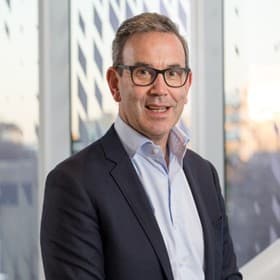
Craig works with governments and leading food companies around the world to deal with issues of food fraud, supplier risk management, resource scarcity, regulatory change, changing food demand, and technological advances.
Craig has been with PwC New Zealand for over 36 years. His background is in corporate finance, and as a Corporate Finance Partner at PwC Craig has worked around the world, with significant experience in Southeast Asia, North America, and Europe. He is also head of PwC NZ’s Primary Industries Group.
He has a broad range of experience in governance and holds a number of executive and advisory roles across different sectors.
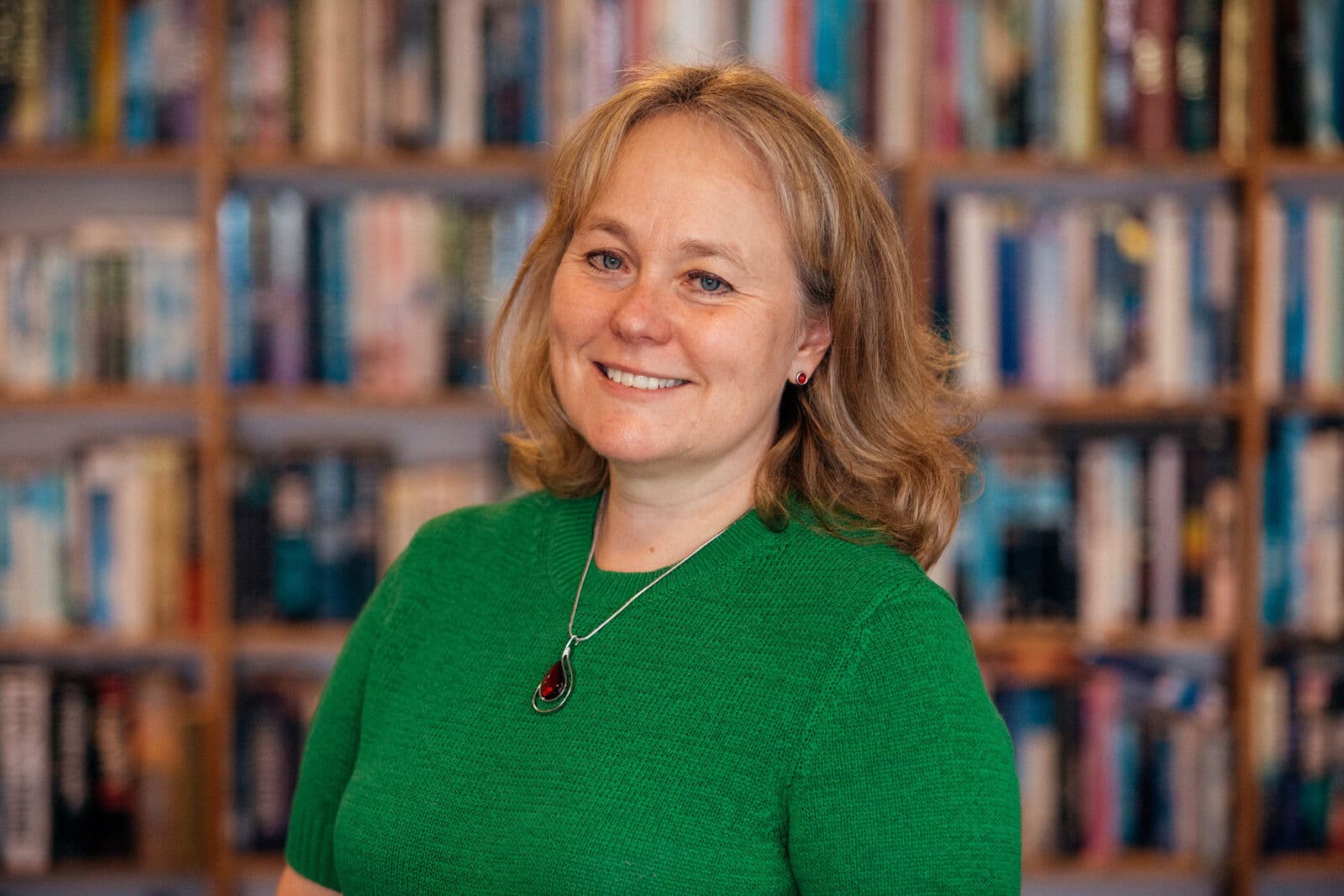
Gillian is Chief Executive of Water New Zealand. Originally from the UK, Gillian came to Aotearoa New Zealand to work on electricity reform in the mid-1990s. Working on the design of competitive wholesale market and the split of ECNZ, she then spent 20 years at Meridian Energy in senior leadership positions across strategy and regulatory affairs, joining Water New Zealand in July 2020. Gillian is married to Chris, and the mother of Jack and Sam.
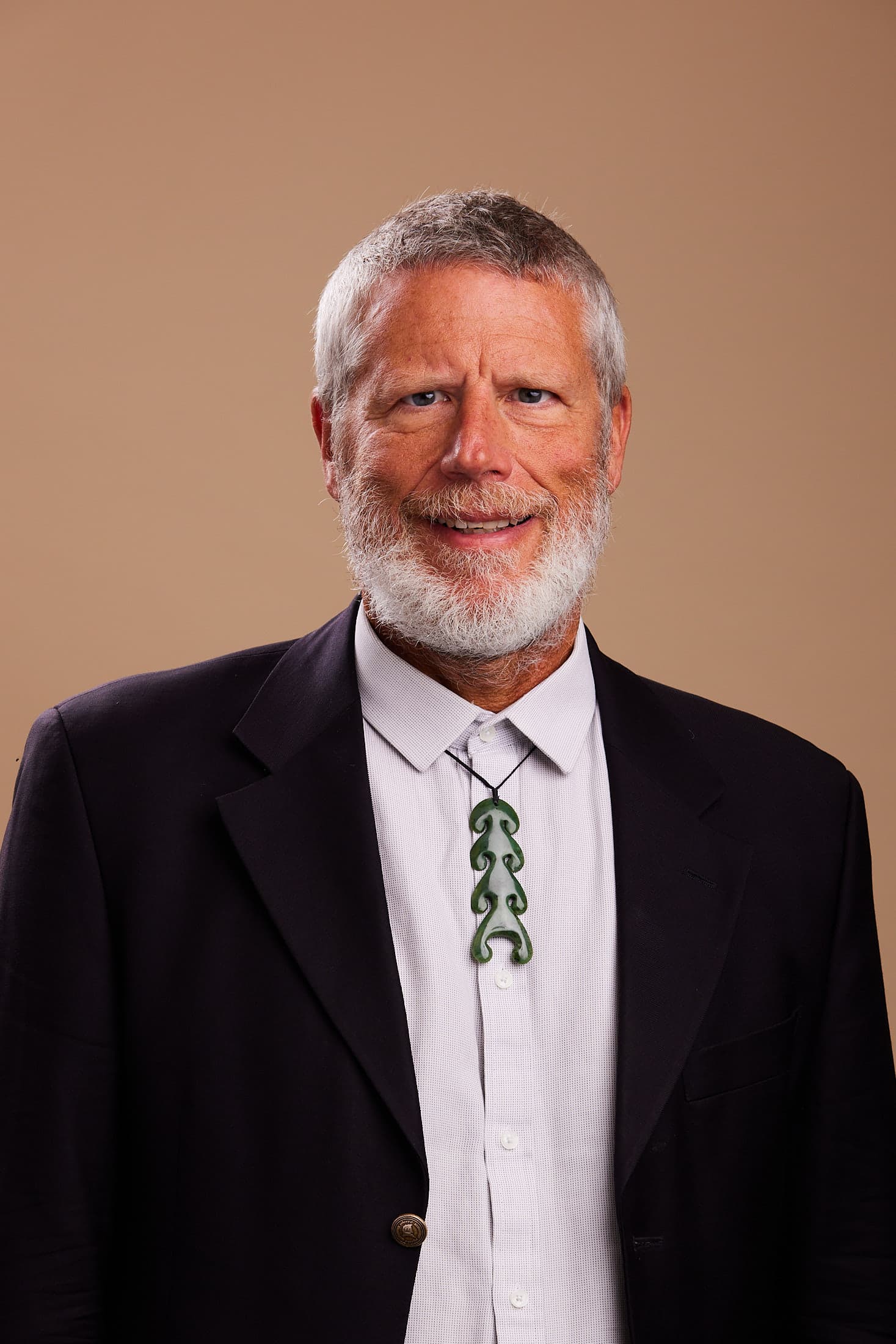
Dr. Carr has advised six Governments on public policy over the past forty five years. His public policy advice has covered education, health, the regulation of financial advisors, the review of the science system, monetary policy, bank regulation, infrastructure and most recently climate change.
During his career in the public sector Rod was at times deputy governor, acting governor, non executive director and chairman of the Reserve Bank of New Zealand. He served as Vice Chancellor of University of Canterbury for ten years. He chaired the taskforce on the funding and provision of health care, the National Infrastructure Advisory Board and the Climate Change Commission. He served local government as a director of the Lyttelton Port Company, Taranaki Investment Management Ltd, Tasman Farms Ltd, and anchor project developer Otakaro Ltd. His career in the private sector included fifteen years in retail banking, wealth management and payment systems, five years as chief executive of Jade Software Ltd and ten years as an elected member of the Board of the Canterbury Employers’ Chamber of Commerce. In the not for profit sector Rod has served as a trustee of the Christchurch Arts Festival, The Christchurch Arts Centre and is currently a trustee of Banks Peninsula Conservation Trust.
Rod recently established a charitable trust - Climate Trust Aotearoa NZ - to research and advocate for policies that contribute toward making New Zealand a thriving, climate resilient, low emissions society. The trust owns 14 ha of native bush that has been regenerating since 1982 on the border of the Tararua State Forest Park and the Waingawa River. Rod’s current research interests include rewilding, biochar for soil conditioning and carbon sequestration, the transition to renewable energy and water resource management.
Rod’s academic career includes a PhD in insurance and risk management, an MA in applied economics and managerial science, an MBA in money and finance, an LlB (Hons) and BCom (Hons).

Tim is a Fulbright Scholar (Harvard University) and Associate Professor in the Ngāi Tahu Research Centre at the University of Canterbury. His research interests include environmental health and infectious diseases. Tim’s current research investigates the potential health burden of drinking water contamination, with a focus on nitrate contamination.
Dr Chambers uses spatial and quantitative research methods to understand the connections between place, space and health. Tim’s research also uses innovative technological solutions – such as wearable cameras, GPS devices and Bluetooth tracking devices to understand complex human behaviour. Tim’s research agenda also has a strong equity and policy focus.
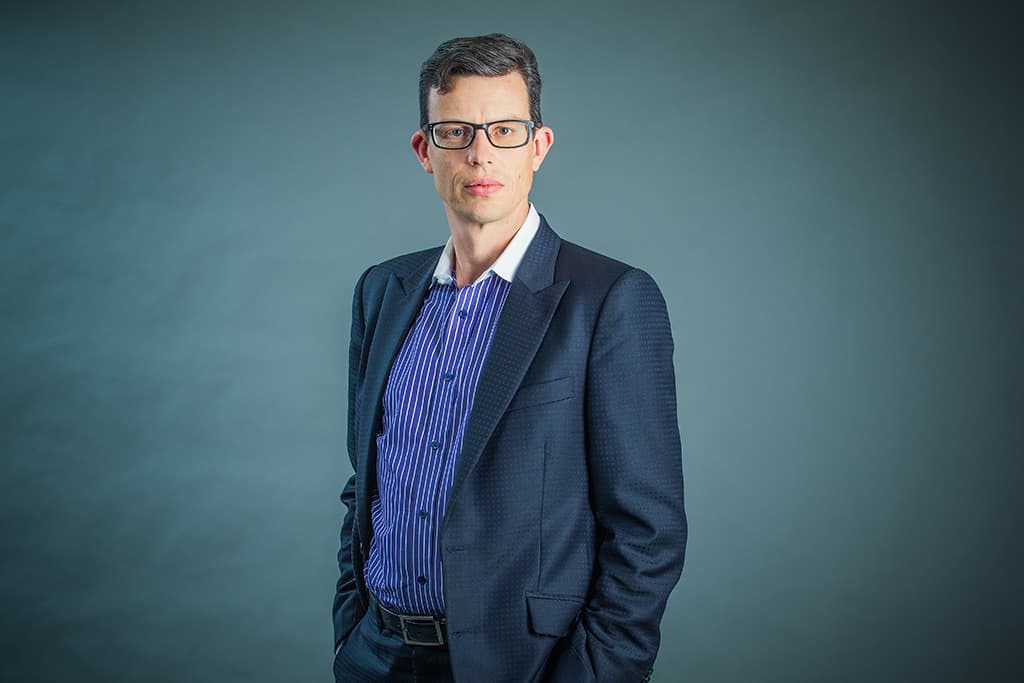
Dr Eric Crampton is Chief Economist with The New Zealand Initiative and Adjunct Senior Fellow with the Department of Economics & Finance with the University of Canterbury, where he previously was Senior Lecturer. His work covers a wide range of microeconomic and regulatory issues, including in environmental policy. In freshwater management, Eric authored reports discussing the potential for smart-markets for freshwater abstraction and for nutrient management. His writing and commentary also appears regularly in major media outlets.
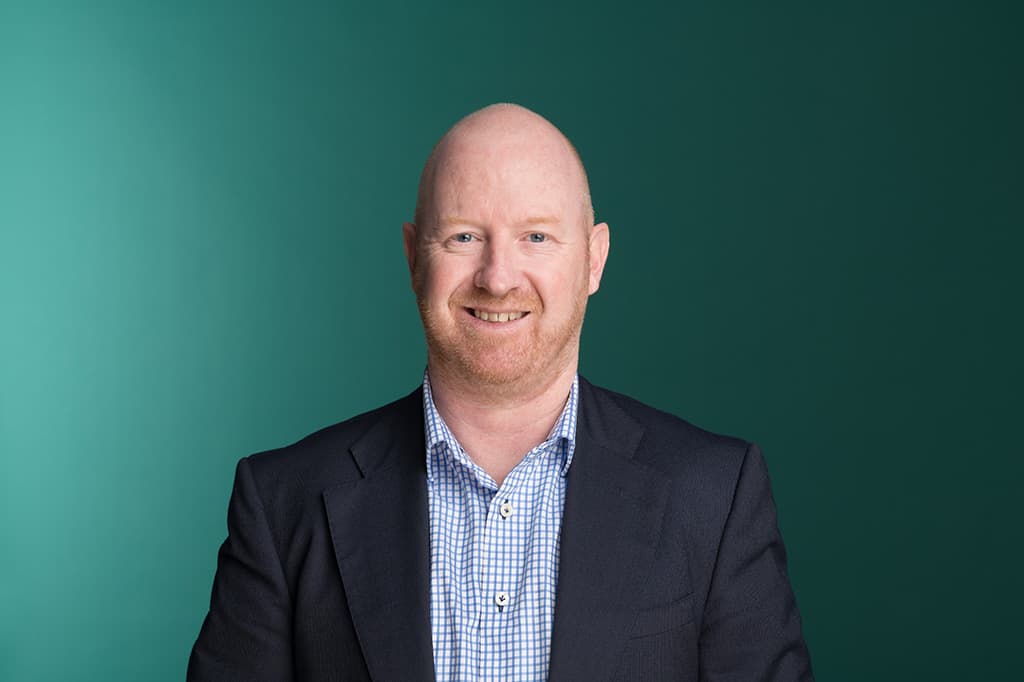
For more than 30 years, Nick has advised central and local government on a wide range of strategy and policy issues, including leading major policy reforms. For more than six years, Nick has played a leading role in water services reform and development of the regulatory environment for water services providers. Nick has the rare ability to combine complex systems thinking with down-to-earth, pragmatic analysis and advice. He is passionate about the opportunity for policy and regulation to create the conditions necessary to restore and promote a healthy freshwater environment for the benefit of our mokopuna.
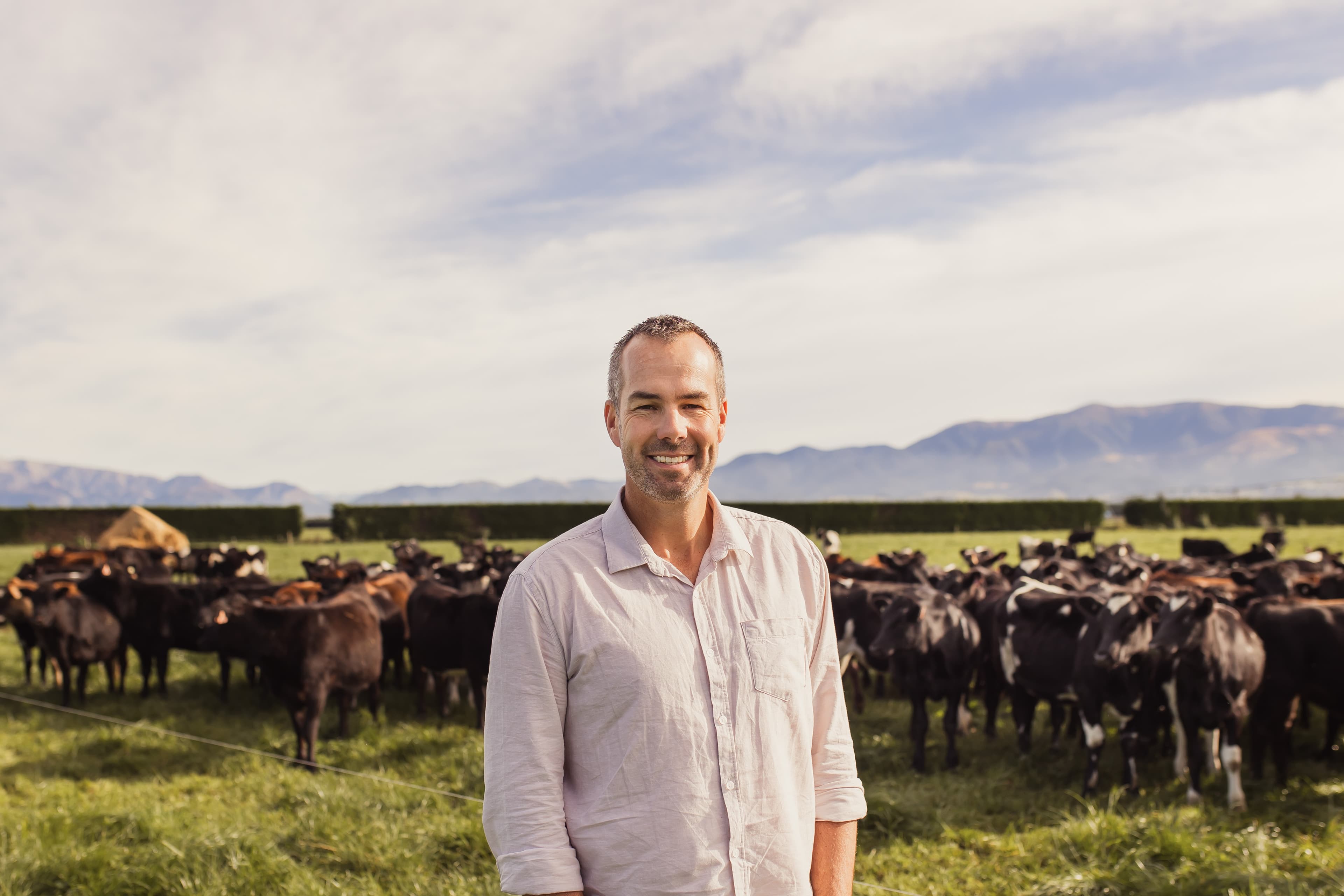
Cameron and his wife Sarah own and run a dairy farm near Oxford, North Canterbury. Cameron was a member of the Waimakariri Zone Committee that developed Plan Change 7 to Environment Canterbury's Land and Water Regional Plan. He is an advocate for innovative, sustainable farming practices, having been awarded multiple farm sustainability awards. He is currently a director of DairyNZ and Ballance Agri-nutrients.
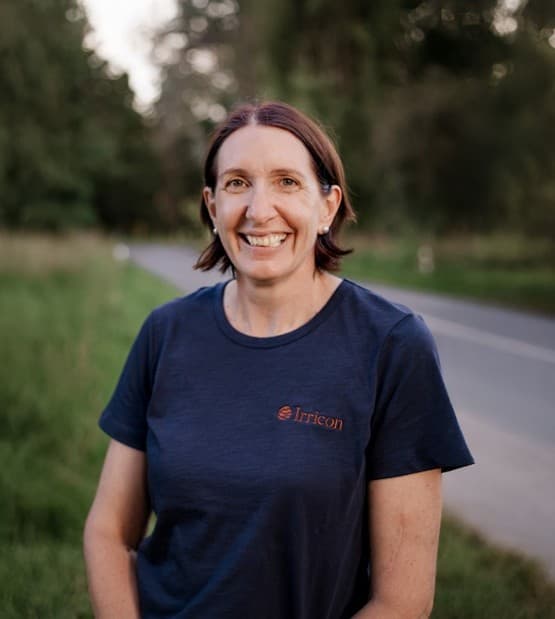
Keri Johnston is a Chartered Professional Engineer and Director of her own environmental consultancy. She brings expertise in freshwater management, hydrology, and resource consenting, working alongside iwi, councils, and primary sector clients across Aotearoa. A past Chair of IrrigationNZ, Keri has held a range of advocacy and governance roles and is driven by a deep passion for water — and for the people and whenua it sustains.
Jane is an ecologist and environmental scientist with expertise in freshwater and traditional ecological knowledge research. She is of Ngāi Tahu, Ngāti Mamoe, and Waitaha descent. She is the founder and Director of Tohu Environmental (formerly Kitson Consulting Ltd), an environmental research, science, and project management company she established in 2013.
She has been involved in many research and managements projects, including around the preservation and sustainable management of microbial food webs in lakes and taonga species such as kanakana (lampreys) and tītī (muttonbirds).
She worked as an environmental scientist at Environment Southland from 2002 to 2011, and at Te Ao Marama Inc between 2012 and 2013. She was Senior Environmental Advisor Mahinga Kai – Freshwater Monitoring at Te Rūnanga o Ngāi Tahu between 2016 and 2017.
Jane also has experience in governance, having previously served as a Board Member for Ngā Pae o te Māramatanga: New Zealand’s Māori Centre of Research Excellence, and as a member of the Guardians of Lakes Manapōuri, Monowai and Te Anau. She is a trustee of Te Waiau Mahika Kai Trust.
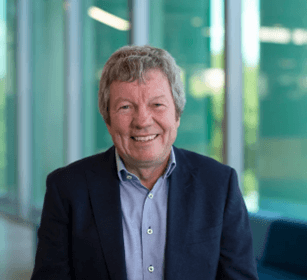
Andy has been involved in farming for over 40 years, having practiced as a farm consultant from 1981 to 2018. With his wife Tricia, he established the farm consultancy and services company Macfarlane Rural Business in 1997.
He is passionate about developing and demonstrating how agricultural science innovation can be incorporated into modern farming tactics.
He has extensive experience in governance in the agribusiness sector, including as a Director of Fonterra between 2018 and 2025. He also served as a Foundation Director of Ngāi Tahu Farming between 2014 and 2019, Director of AgResearch between 2012 and 2017, and as a Councillor of Lincoln University between 2009 and 2021.
He was President of the New Zealand Institute of Primary Industry Management between from 2007 to 2011 (and is now a life member) and was Chair of Deer Industry NZ from 2010 to 2017. He was awarded an ONZM in the 2026 New Year’s Honours for his services to the NZ deer industry.
Andy currently serves as a Director for ANZCO Foods, AgriZero Ltd, Ashburton Lyndhust Irrigation Ltd, WH Collins and Wareings Group. He is a member of the Institute of Directors. He has a Bachelor of Agricultural Science from Lincoln University, and in 2025 was awarded an honorary doctorate by the university in recognition of his achievements.
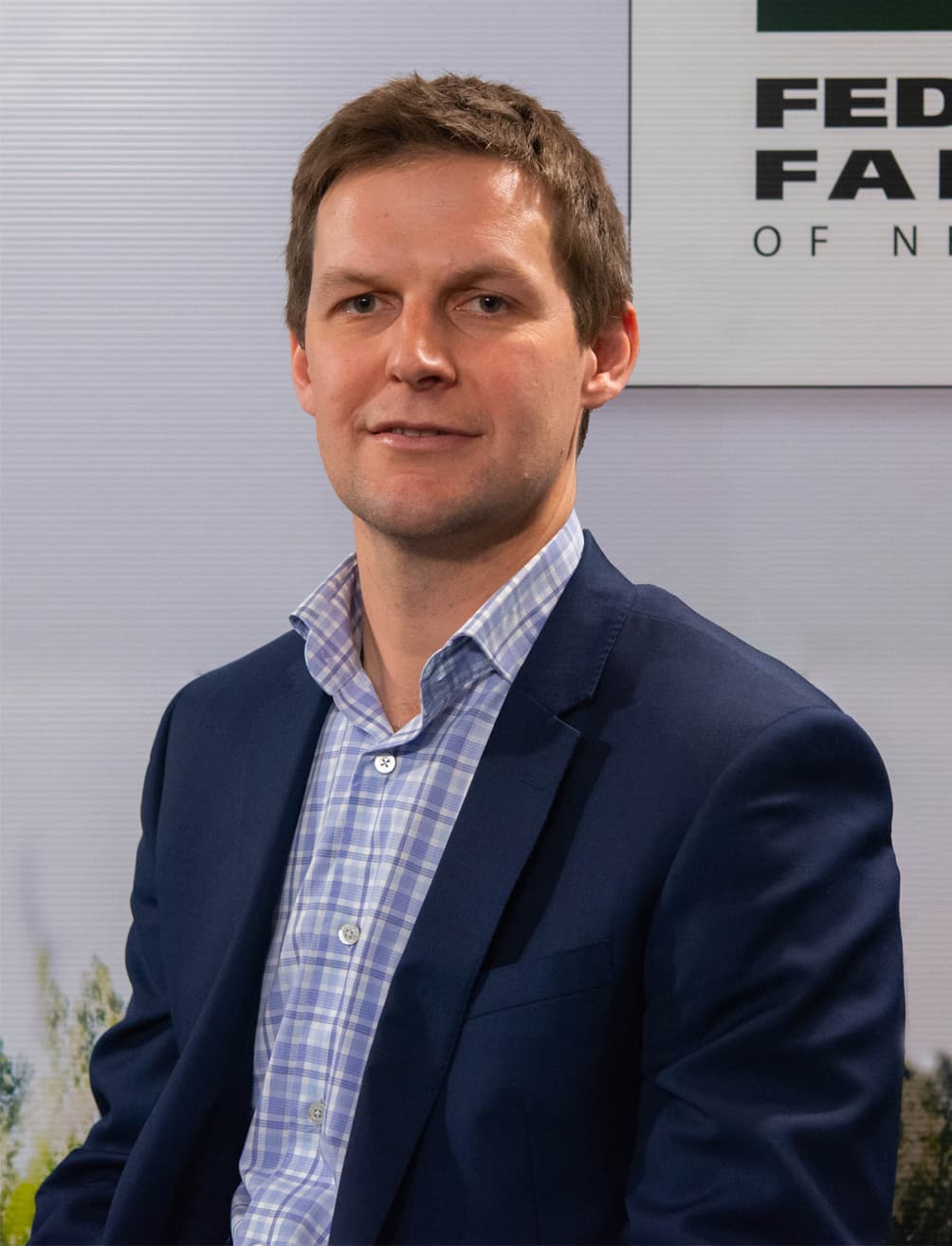
Paul Melville is the Federated Farmers General Manager of Policy and Advocacy, leading the organisation’s work on public policy, government relations, and farmer advocacy across New Zealand. He has extensive experience in politics, policy development, and stakeholder engagement, and is known for his strategic approach to complex issues including climate policy, resource management, rural infrastructure, and banking reform. Prior to joining Federated Farmers, Paul worked in senior political, government and agriculture sector advocacy roles. Paul brings a strong understanding of government decision making and the challenges facing the agricultural sector.
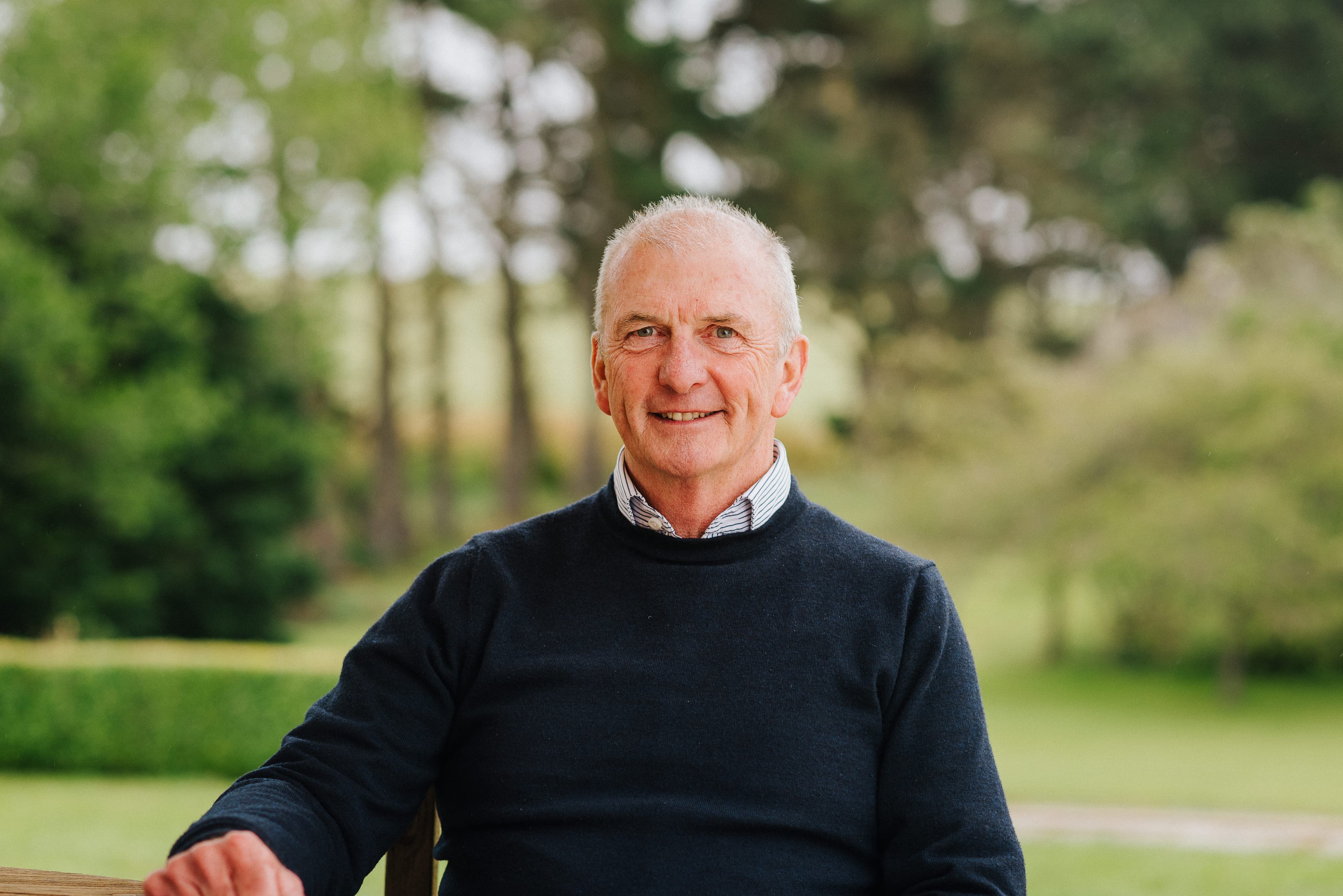
Andrew is a MInstD with an extensive commercial and international background, largely in the primary sector through roles with Genestock (accelerated breeding of cashmere and angora goats), Fruitfed Export (kiwifruit exporting) and as CEO of Arborgen (NZ’s largest forestry biotech company). These were interspersed with time in California, initially as New Zealand’s Trade Commissioner in Los Angeles (with a focus on food and agritech), then as Executive Vice President for a US subsidiary of Telecom NZ and subsequent CEO roles in high-tech engineering and manufacturing.
He currently leads Aqus Limited, a management company established to operate irrigation schemes in the Waitaki region. Aqus’ mission is to balance the interests of the farming community, the environment and the regions wider stakeholders. “Irrigation has transformed farming, the economy and the urban sector in the Waitaki. Its value cannot be underestimated, but neither can the responsibility of those who distribute and use it. Water has the capacity to transform communities, enable regional economic growth, provide jobs and opportunities. It is incumbent on us to act collectively to develop New Zealand’s freshwater strategy - with an equal emphasis on resilience, commercial value, environmental sustainability and the interests of all stakeholders.
Research Network
Our Research Network brings together a diverse group of highly qualified professionals with strong academic backgrounds and deep expertise across numerous sectors. This network contributes specialist knowledge, analytical insight, and practical experience to support our projects and priorities. By drawing on a broad range of perspectives and disciplines, the Research Network strengthens the quality, relevance, and impact of our work, ensuring it is informed by both rigorous evidence and real-world understanding.

Connor Redmile is an early-career freshwater researcher with whakapapa from Moeraki and Ōtākou. He graduated from the University of Oxford with a Master’s degree (Distinction) and specialises in cyanobacteria and complex freshwater systems. Drawing on global water governance and management expertise, alongside rich international experience, he leads freshwater projects in his role as a Science Advisor. Connor is deepening his knowledge and growing into a tribal leader, committed to restoring freshwater environments for us and our children after us.
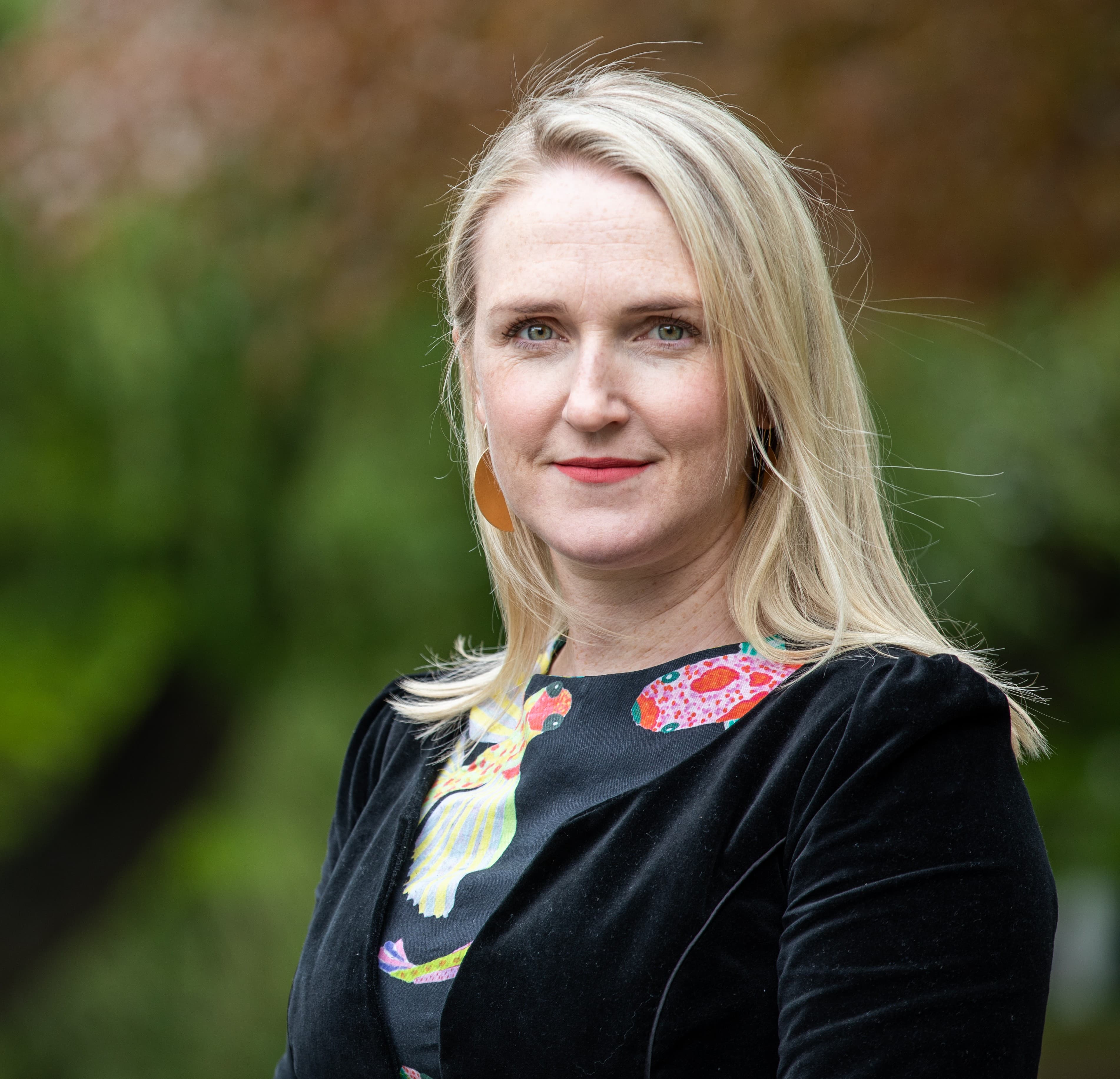
Dr Elizabeth Macpherson a Professor of Law and Rutherford Discovery Fellow at the University of Canterbury. She researches comparative environmental, natural resources, and constitutional law, and has led numerous grants and published widely on freshwater and marine law and policy, especially as they relate to Indigenous peoples’ rights. Elizabeth is the author of the award-winning book Indigenous Water Rights in Law and Regulation: Lessons from Comparative Experience (2019, Cambridge University Press) and leads a Rutherford Discovery Fellowship programme in partnership with Ngāi Tahu, funded by Te Apārangi the Royal Society of New Zealand, on Blue Carbon Futures in Aotearoa New Zealand: Law, Climate, Resilience. Elizabeth has over twenty years legal and policy experience advising Indigenous peoples and governments on environmental and natural resources law matters and continues to advise in her fields of expertise as a barrister.
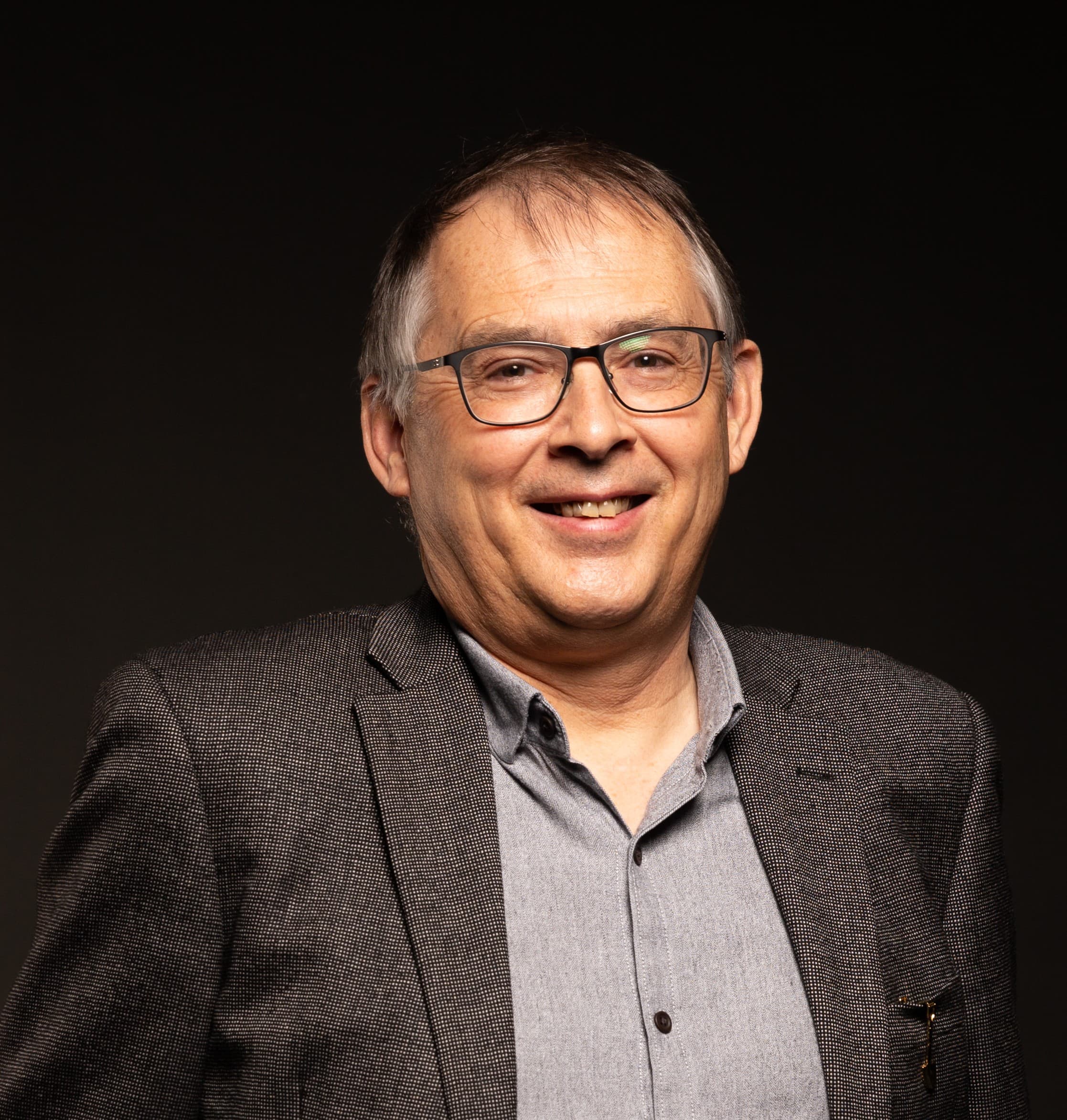
Mark’s research spans a wide range of topics in solid waste management, civil engineering systems, and engineering education. Mark is currently seconded to the Ngai Tahu Research Centre as technical lead in the development of concepts in the book Smart Markets for Water Resources: A Manual for Implementation. Mark is part of a team that is developing a share & exchange system that can set prices that reflect variable environmental impacts and so protect the environment in an economically efficient way.
Mark has moved increasingly into civil engineering systems because complex problems require systems tools and systems thinking. Mark is the Editor-in-Chief for the international research journal Civil Engineering and Environmental Systems and has edited a number of special issues including one on resilience and another on people-centred systems. Mark maintains a blog on LinkedIn with journal and editorial matters: Editor's Corner-- Civil Engineering and Environmental Systems Journal: Company Page Admin | LinkedIn
Mark is a member of Engineering New Zealand's Standards and Accreditation Board responsible for review of engineering education. Mark has been a Chartered Professional Engineer for many years and is active in peer review of landfills, serving as a link between facility operators and consenting authorities. Mark continues to keep up to date on solid waste management topics, particularly with landfills.
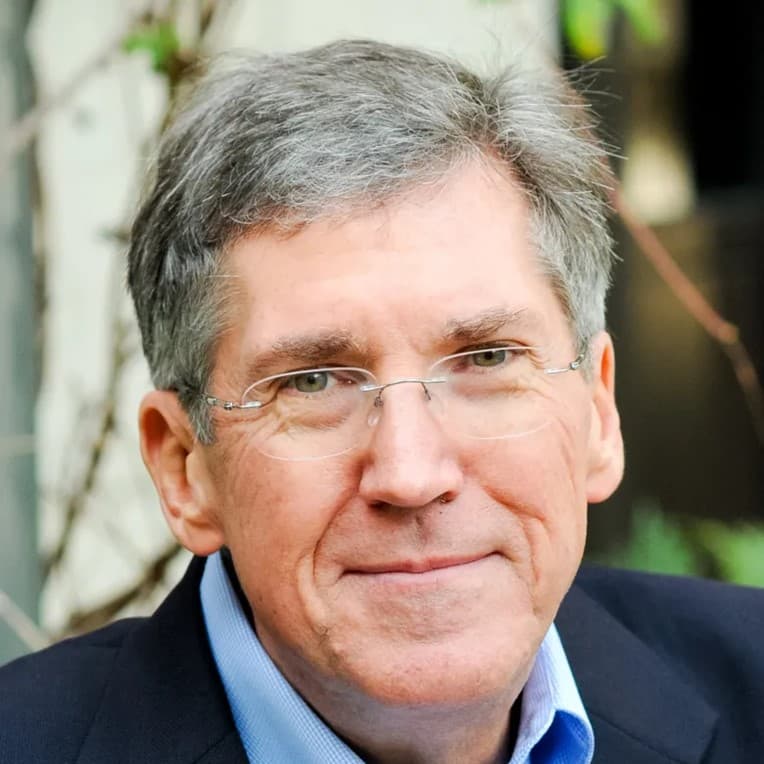
A global expert on water policy and management, Barton “Buzz” Thompson is the Robert E. Paradise Professor of Natural Resources Law at Stanford University and a professor of environmental behavioral sciences at Stanford’s new Doerr School of Sustainability. He also is a senior fellow in the Stanford Woods Institute for the Environment, which he co-founded in 2004 and directed for over a dozen years. He serves of counsel to the international law firm of O’Melveny & Myers and is a member of the Technical Advisory Committee of the Sustainable Water Impact Fund (a joint business venture between the Renewable Resources Group and The Nature Conservancy). From 2008 to 2018, he served as Special Master for the United States Supreme Court in Montana v. Wyoming, an interstate water dispute involving the Yellowstone River System. He also is a former member of the Science Advisory Board of the United States Environmental Protection Agency.
Professor Thompson is the author of multiple articles and books on water and the environment, including Environmental Law and Policy: Concepts & Insights (5th ed. 2019), Legal Control of Water Resources (6th ed. 2018), and Natural Resources Law & Policy (2017). His recent research focuses on the growing importance of private businesses in the pursuit of sustainability. His new book on The Business of Water will be published in 2023.
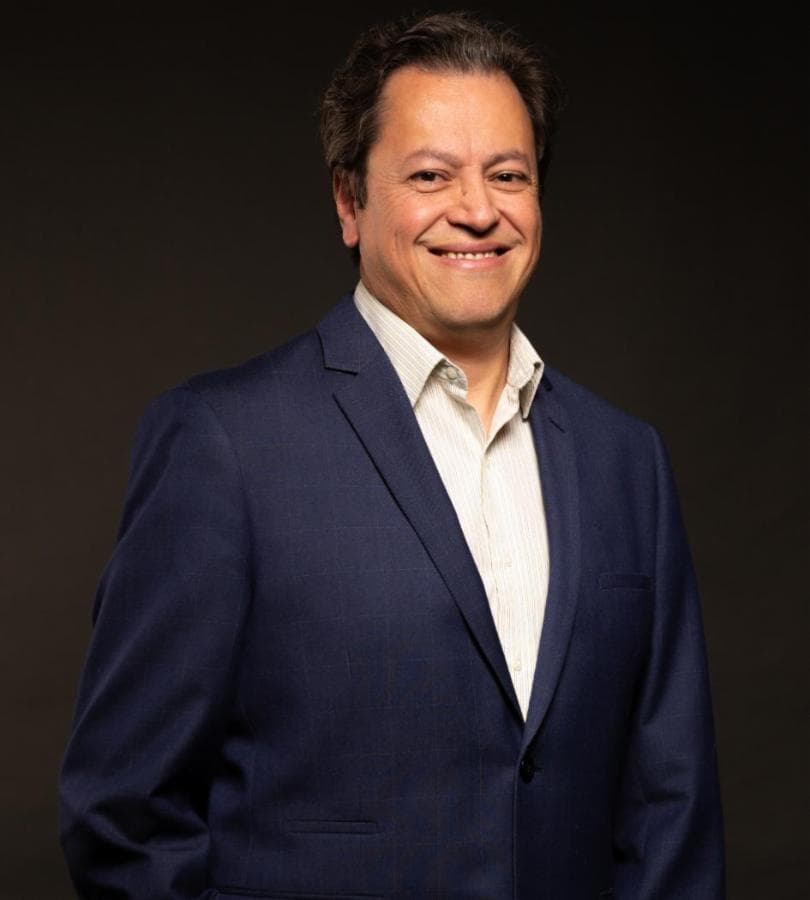
Dr Ricardo Bello-Mendoza is an Associate Professor of Environmental Engineering in the Department of Civil and Environmental Engineering at the University of Canterbury. His research expertise lies in innovative technologies for wastewater treatment and resource recovery. He is currently investigating nature-based solutions for Marae onsite wastewater treatment with a focus on process resilience and cultural integration.
Other ongoing research includes the biogranulation of phototrophic bacteria for anoxic carbon and nutrient removal from wastewater; the removal of nitrogen, phosphorus and metals from water using biobased adsorbents; the anaerobic digestion of organic waste for energy recovery; the degradation of micropollutants by advanced oxidation processes; and biosand filtration for rainwater treatment. Dr Bello-Mendoza is a member of the International Water Association, Water New Zealand, the American Chemical Society, and the Association of Environmental Engineering and Science Professors, and serves as an Associate Editor for Frontiers in Environmental Engineering and as an Editorial Board Member for the journal Sustainability.